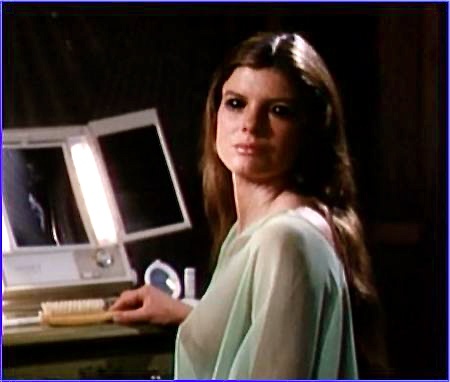



Human beings have always been deeply enamored with the ability to manipulate life. Whether the goal is to create their own version of it or to reanimate a body that has ceased movement, the obsession has been a constant theme for humanity. In the novel Frankenstein by Mary Shelley one of the key themes is the experiment by Victor to animate the disembodied fragments of men into one accomplished human being. The being that is created –regarded as The Creature- does not embody the traits that Victor intended it to have, the Creature is only considered human because of what it is constructed of, along with his capacity to fixate and facilitate revenge. Not only does he possess the human feelings of hate, but he frequently feels insecure, lonely and expresses desperate existential thoughts. However, it is not the Creature’s struggle that I was able to connect to a method of modern film, it was Victor’s. Victors obsession with the creation of life is a common theme, both in art and history, the idea that a human being can perform the task that only god can is an easily intoxicating storyline. It reminded me of a film that I saw a few years ago The Stepford Wives, the version I am focusing on stars Katherine Ross and was released in 1975, not in fact the film that was released in 2004 starring Nicole Kidman, which in my opinion was far too comedic for the primary goal to be valued. In the film, a young family moves from the bustling commotion of New York City to the suburban community of Stepford, Connecticut. The stereotypical nuclear family life is a rigid foundation for the community, Joanna (Ross) notices how most of the women here seem to perpetuate an American 1950s of women; domesticated, graceful, obedient, with the innate ability to ooze both innocence and sexual promiscuity. The couples of the community are not equally domesticated however, meaning that the collective behavior of the husbands in the community were dominant over their wives. It was later discovered that they had killed their original wives, then replaced them with robotic replacements using the bodies of their murdered spouses.
The reason why this storyline reminds me of Frankenstein is not because of the details of the story, but for the specific obsession with human perfection that filters through two very different storylines that have been written 200 years apart from one another. The similarity between Frankenstein and The Stepford Wives is the reoccurring theme of man recreating life with the perception that once regenerated, they will have birthed a more cooperative perfect species. The problem with this belief is that man cannot create anything perfect, because man is imperfect, and will continuously create imperfect things. Much like Victor’s failed expectation that he would be able to manipulate the outcome of whatever being he created.




Kaitlin Mondello
Wow, really interesting comparison, especially in light of the Creature’s requests for a mate who seems to have no agency of her own in his mind vs. Victor’s fears about her agency.